
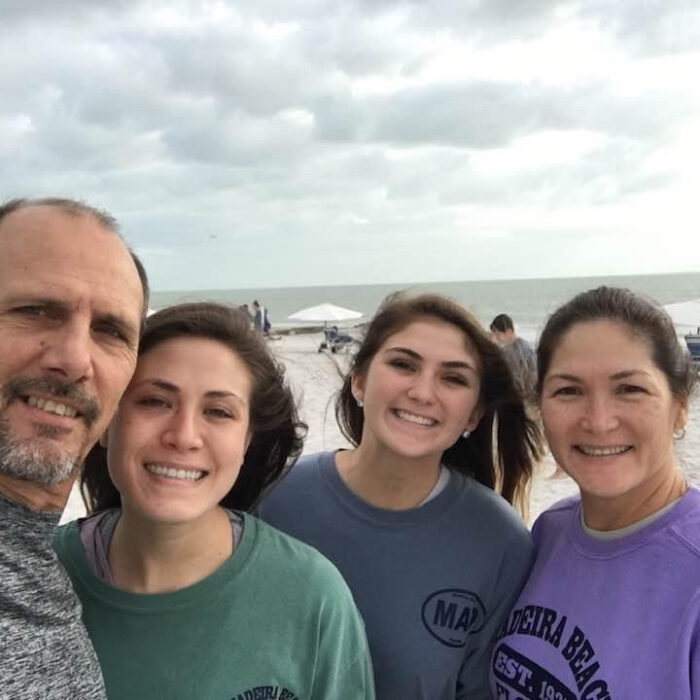
My journey with epilepsy began in 1991 after a car accident triggered my first seizure. At the time, medical answers were limited, and surgical options felt long and frightening. But what I remember most wasn’t the lack of technology — it was confusion. One moment I was fully present in my body, and the next, everything went dark. When I came to, I felt like I had been dropped back into my own life without instructions. Something inside me had broken, and no one could tell me how to fix it.
What followed were decades of hospital rooms, medication adjustments, and unanswered questions. Because my seizures didn’t look the way people expected — I would hum, rock, or disappear briefly — I was told again and again it was anxiety. Each new medication brought hope. Each failure chipped away at my confidence. Eventually, I began to doubt myself. Living that way doesn’t just exhaust you — it slowly erases you.
Epilepsy doesn’t end when a seizure stops. It lives in the waiting. In constant calculations. In the quiet fear of not knowing when the next episode will come. I learned to scan rooms for exits. I passed on opportunities because I couldn’t trust my own body. I became skilled at pretending I was fine while quietly falling apart. And my silence didn’t protect my family — it hurt them.
My children grew up watching their mother disappear and reappear. They learned to stay calm when they were scared. My husband lived in constant vigilance. Fear became the background noise of our home. Trauma wove itself so gradually into our lives that we stopped recognizing it as trauma. It was simply our normal.
The turning point came when my now-adult children asked me to try one more time. One more doctor. That decision led us to the UNC Epilepsy Center and Dr. Liu.
My husband recorded one of my episodes. The four of us sat together as she watched. We braced ourselves for dismissal. Instead, she listened. She didn’t rush. She didn’t explain it away. After a quiet moment, she said, “I’ve seen this before. And we can fix it.”
For the first time in more than thirty years, someone believed me.
My time in the Epilepsy Monitoring Unit wasn’t just about data — it was about healing our family. The team treated us all as part of the care. They answered questions rooted in fear. They acknowledged what my husband and children had carried for decades. Inside those walls, we finally exhaled.
The diagnosis — a cerebral cavernous malformation — gave us answers. Surgery gave us hope. On my 31st wedding anniversary, I trusted that team with my brain and with the people I love most. Two days later, I was home. Weeks later, I was back at work. Back on the tennis court. Back in my life.
Today, I am more than six months seizure-free. This isn’t just a recovery, it’s a rebirth.
Epilepsy is part of my story, but it is not who I am. What defines me is resilience, the love of my children, the devotion of my husband, and the extraordinary care of medical professionals who treated us as whole human beings.
Epilepsy doesn’t happen to one person — it happens to a family. The options available today are precise, compassionate, and life-changing. No one should have to wait decades to be believed. If you are afraid, I understand. I lived there for years.
But there is hope.
There is healing.
And there is life on the other side of fear.
I want to share my story to encourage others to seek second opinions, to advocate for themselves and their families, and to never hide in the shadows. Because being believed can change everything.